

Favonius Extrait de Parfum
Ngjyra
Vëllimi50 ml
Çmimi më i ulët i produktit
Maison de Parfum
15.683 den
Kontrolluar më 08.11.2026.
Vetëm ky dyqan e ka në stok
Profili i aromës
të dhëna nga komunitetiAkordet kryesore
- woody
- rose
- oud
- aromatic
- fresh spicy
- earthy
- warm spicy
- patchouli
- amber
- balsamic
Gjinia
- Më feminine
- Unisex
- Më maskuline
Më e mira për
- Dimër
- Pranverë
- Verë
- Vjeshtë
- Ditë
- Natë
Piramida e parfumit
Notat e sipërme
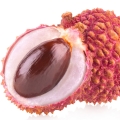 Litchi
 Incense
 Pink Pepper
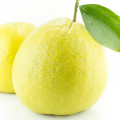 Bergamot
Notat e mesme
 Rose
 Cypriol Oil or Nagarmotha
 Artemisia
 Clary Sage
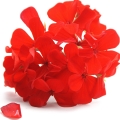 Geranium
Notat bazë
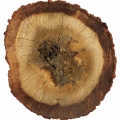 Agarwood (Oud)
- Incense
 Patchouli
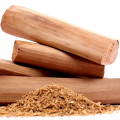 Sandalwood
 Cedar
Karakteristikat kryesore
| Përqendrimi | EXTRAIT |
|---|---|
| Marka | NISHANE |
Historiku i çmimit
Çmimi më i ulët për të gjitha madhësitë dhe versionet
| Data | Çmimi i produktit |
|---|---|
| 15.683 den | |
| 15.683 den |
The God FAVONIUS (one of the Roman wind gods and generally equated with the Greek god Zephyrus) loved Flora, the Goddess of Flowers, so much that he changed himself into a rose because the Goddess had no interest other than flowers. When Flora saw the rose, she kissed it and thus fulfilled Favonius’ wish. And it is said that the very word “rose” originated when Flora, in pain upon being struck by Cupid’s arrow, was unable to properly pronounce the word Eros but made it sound like “ros”. From this the word “rose” becomes a synonym for Eros; both in Rome and in Greece it is the symbol of youth, of vitality, love, beauty and the fruitfulness of nature. FAVONIUS was a Roman nomen, meaning "favorable". It applied to a number of Roman mythological and historical figures. The gentlest of the winds, FAVONIUS is known as the fructifying wind, the messenger of spring. He held dominion over plants and flowers. The Roman poet Horace writes: quid fles, Asterie, quem tibi candidi primo restituent vere Favonii? Why do you weep, Asterie, for the man whom the bright west winds will restore to you at the beginning of spring?